
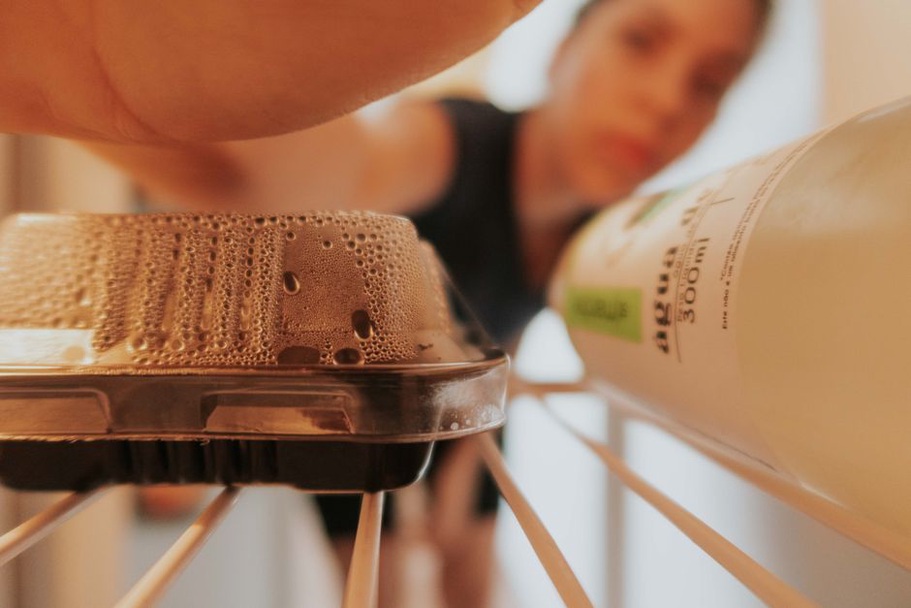
Put the half-used cucumber at eye level before you tuck a new one into the crisper. You’re more likely to put it in tomorrow’s lunch if you can see it, rather than finding it days later behind a bag of carrots. Reducing food waste at home often begins with making what you already have visible, safe to use, and easy to turn into a meal.
You don’t need a perfect meal plan or matching containers. Look at where food tends to get lost in your household—shopping, storage, cooking, or cleanup—and start with the habit that addresses what you throw away most often.
Find your household’s repeat waste
For a week or two, notice what goes into the bin or compost. Jot down the item and why you discarded it. “Spinach went slimy before salad night” tells you more than “vegetables.” So does “cooked rice left in a deep container” or “bought another jar of sauce.” You’re looking for a pattern, not someone to blame.
- Forgotten food: It was hidden, unlabeled, or pushed behind newer groceries.
- Overbought food: You purchased more than you could realistically use before its quality declined.
- Unused ingredients: A recipe called for a small amount of something, with no plan for the rest.
- Oversized portions: You cooked or served more than people wanted.
- Storage problems: Food dried out, got crushed, absorbed moisture, or spoiled sooner than expected.
Pick one frequent category first. If wilted greens keep turning up in the bin, buying fewer greens or cooking them early in the week may help more than buying a specialty storage set. Budget suggestions here are general household guidance, not individualized financial advice; what matters is whether a change fits the way your household actually eats.
Shop with a short inventory, not a vague memory
Before writing a grocery list, check the fridge, freezer, and the pantry spot where duplicates tend to collect. Note perishables that need using soon. “Two peppers, open yogurt, cooked beans” gives you more to work with than an inventory of every shelf.
Plan a few meals around those ingredients, then buy what’s missing. Leave room for one flexible meal—eggs with vegetables, soup, a grain bowl, or sandwiches—instead of assigning every ingredient to a particular recipe. Food needs a likely use, but plans can change.
Buy the amount you can actually finish
A larger package is only a bargain if your household eats it, preserves it safely, or shares it before quality declines. Loose produce may cost more per piece but waste less if you need only two. For foods you buy regularly, notice how much you finish between shopping trips. If half a loaf routinely goes stale, freeze part of the next loaf on the day you buy it, or choose a smaller one.
Be careful about buying several delicate foods at once. Salad leaves, berries, fresh herbs, and ripe avocados may all need attention within the same few days. Choose foods that keep for different lengths of time, and eat the most delicate ones first.
Give food a visible place to land
Set aside one clearly visible fridge spot for food to use soon: an open bin, a shallow tray, or part of an eye-level shelf. An open tub of yogurt, half a pepper, and a container of cooked pasta could go there. This isn’t a place to keep food beyond a safe date; it’s a reminder to check what’s still suitable and use it promptly.
When you unpack groceries, move older items forward and put newer duplicates behind them. Cover food in suitable containers or wraps to protect it from drying out and spills. For most leftovers, a piece of freezer tape marked with the contents and date is enough. An undated container of “something orange” is much harder to use with confidence.
Leave some space around refrigerated food so cool air can circulate. Keep the fridge at 40°F (4°C) or below and the freezer at 0°F (-18°C); a simple appliance thermometer helps if the built-in dial doesn’t show the temperature. Store raw meat and poultry securely on a lower shelf, where drips can’t reach ready-to-eat food.
Match storage to the ingredient
Produce doesn’t all need the same treatment. Wash berries just before eating unless you already have a drying-and-storage routine that works well; excess moisture can encourage mold. Keep leafy greens from sitting in pooled water, and remove damaged leaves before they affect the rest. Potatoes belong in a cool, dark, well-ventilated place rather than direct light. Keep them apart from onions for better keeping quality.
Check package directions for anything that needs refrigeration after opening, even if it was sold at room temperature. If an opened bag of dry goods won’t reseal, move its contents to a closed container. A clip, jar, or reused clean container can work; just keep the food protected and its identity and instructions clear.
Understand dates without guessing about safety
Labels such as “best by” often refer to expected quality, not the exact day food becomes unsafe. Wording and regulations vary by location and product, so read the package. Food stored correctly may still be usable after a quality date if it shows no signs of spoilage. A printed date, though, can’t make mishandled food safe.
Be more cautious with highly perishable foods, and follow any explicit use-by instructions that apply where you live. Discard moldy food unless it’s a type for which safe trimming is specifically recommended. Don’t taste food to check for spoilage. If a container is swollen or leaking, or its contents smell off, don’t try to rescue it. When you’re unsure about safety, discard the item rather than risk illness.
Refrigerate cooked leftovers promptly in shallow containers instead of leaving them to cool for hours on the counter. As a practical rule, refrigerate perishable food within two hours of cooking or serving, or within one hour in very hot conditions. Eat most cooked leftovers within about three to four days, or freeze them sooner. A tidy fridge shelf doesn’t override those time limits.
Cook from what needs using first
Before starting dinner, check the use-soon area and choose one ingredient to work in. A soft tomato could go into sauce; slightly limp carrots may suit a soup if they’ve been stored safely and aren’t spoiled. Cooking can improve the texture of tired but sound produce. It does not reliably make spoiled food safe.
Give spare ingredients a second job
- Herbs: Chop them into eggs, a dressing, or a cooked dish while they’re still fresh. Freeze appropriate herbs in small portions if you can’t use them soon.
- Vegetable odds and ends: Add sound pieces to a stir-fry, soup, omelet, or tray of roasted vegetables. Cook them according to the ingredients involved; they won’t all need the same time.
- Stale bread: Make toast, breadcrumbs, or croutons if it’s stale but not moldy. Discard porous bread with mold rather than trimming it.
- Plain cooked grains: Use them promptly in a grain bowl or freeze meal-sized portions. Cool and refrigerate cooked rice promptly; don’t leave it sitting out for later.
- Overripe bananas: Peel and freeze them for baking or blending before they spoil.
It helps to know a few combinations you’ll actually eat: beans with vegetables and seasoning for a quick skillet meal, cooked vegetables with eggs for a frittata, or fruit with plain yogurt for breakfast. Add leftovers only when their storage history and condition make them safe to eat. Not every spare ingredient has to become soup.
If you keep having to rescue the same ingredient, change what you buy. One bunch of herbs instead of three may do more good than another collection of rescue recipes.
Serve smaller portions and save seconds for later
Food left on a serving plate is usually easier to pack away than food left on individual plates. Start with modest portions and let people take seconds. When cooking, think about who’s actually eating rather than the maximum number of servings a recipe lists. If it makes far more than you need, scale it down where practical or decide ahead of time what you’ll freeze.
Pack leftovers before washing up or moving on to something else. Divide a large batch among shallow, meal-sized containers so it cools promptly and is easy to reheat. Label each with the food and date. If several portions are identical, mark one “Thursday lunch”—a specific plan is easier to follow than a vague intention.
Use the freezer as a plan, not a holding area
Freezing pauses the clock on many foods, but it won’t restore freshness or make spoiled food safe. Freeze food while it’s still in good condition, in portions you’re likely to thaw: two slices of bread, one serving of soup, or enough chopped fruit for a smoothie. Remove excess air from freezer bags when appropriate. Use freezer-suitable containers, leaving room for liquids to expand.

Write the contents and freeze date where you can read them easily. Quality can decline during long freezer storage even when food stays continuously frozen at a safe temperature. Once a month, check what’s there before shopping and plan to use an older item that week. Thaw perishable foods in the fridge, in cold water changed regularly, or in the microwave if you’ll cook them promptly—not on the counter.
Make leftovers easy to recognize and use
“Leftovers” isn’t much of a meal plan; “roasted vegetables with rice for lunch” is. As you put cooked food away, decide whether it’s a complete meal or an ingredient for later. Keep ready-to-eat lunches together if you can. Store cooked beans or roasted vegetables separately when you want to pair them with something fresh.
Before cooking dinner, take a quick look at cooked food nearing the end of its safe storage window, then at open perishables, then at whole ingredients. If plans have changed, freeze a suitable portion while it’s still within that window. Rather than reheating a whole batch each time you want one serving, portion it first and reheat only what you need until piping hot.
For gatherings, set out smaller platters and replenish them from food kept properly chilled or heated. You may have more safely stored food left afterward than if you put everything out at once. If you’re planning a meal for guests in a tight space, the guide to hosting a small dinner party without crowding your space covers the room setup and serving flow.
Handle unavoidable scraps thoughtfully
Some waste isn’t realistically edible: eggshells, tough peels, and spoiled food still need handling. Composting can divert suitable scraps if you have a local collection service or home setup, but preventing edible food from being discarded comes first. Check your program’s or system’s rules before adding meat, dairy, oils, or compostable packaging; accepted materials differ.
Keep a small, lidded scrap container where you prepare food, and empty it often. You don’t have to turn every peel into stock. Scraps used for cooking must be clean, sound, and stored safely, and some taste unpleasant or bitter. Separating food you can still eat from genuine scraps keeps waste reduction from becoming extra kitchen work.
Try one repeatable kitchen reset
Pick a time just before you usually shop or cook—perhaps the evening before grocery day. Spend five minutes checking for cooked leftovers, open packages, and fragile produce. Move suitable food to the visible use-soon spot, freeze anything you can’t fit into the next few days, and write two or three ingredients at the top of your shopping list.
Say you find half a cabbage, an open carton of eggs, and two portions of cooked vegetables. You could use the vegetables with eggs for breakfast and the cabbage in a skillet meal later. Write down those two meals before adding more produce to the list.


