
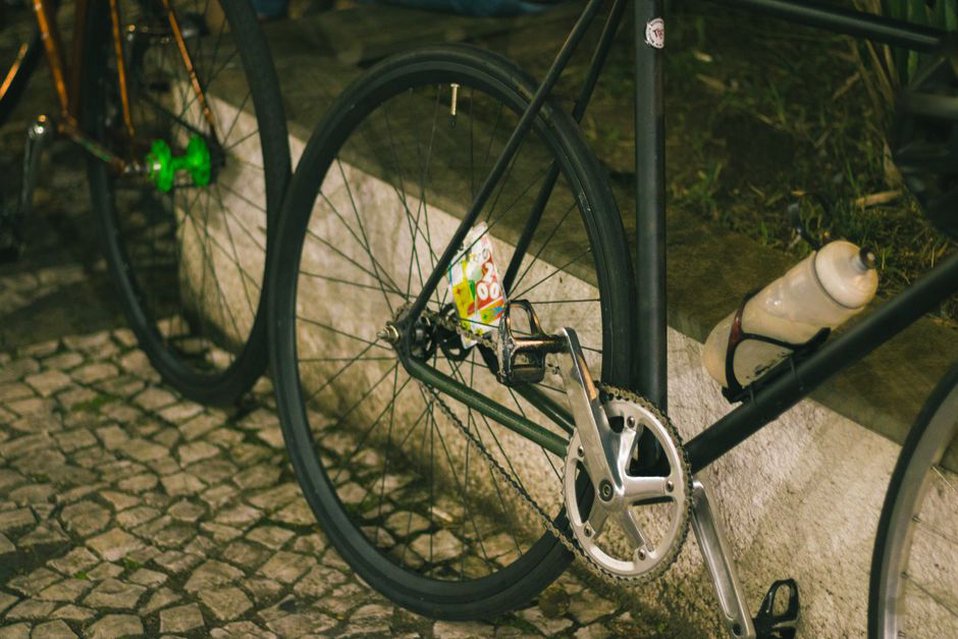
A tire that felt firm when you parked the bike may be soft a few weeks later. Before your first ride of the season, read the pressure range on the tire sidewall, inflate both tires within their stated limits, and look for cracks, cuts, or tread worn flat. It beats discovering a soft tire halfway down the street.
A little care throughout the year is easier than tackling everything at once. A quick check before each ride can catch immediate hazards; a closer look as the seasons change helps you spot wear, corrosion, and loose parts. Most of these checks need only basic tools, and none require taking the bike apart.
Start with a small care kit and a safe place to work
Keep a floor pump with a pressure gauge, clean rags, a soft brush, mild soap, bike-chain lubricant, and the hex keys your bike uses in one easy-to-reach place. Tire levers and a spare tube are handy if you know how to fix a flat. A stand helps, but you can inspect most parts with the bike on level ground. If you turn it upside down, protect the saddle and handlebar controls and check the brake manufacturer's instructions first; some hydraulic brake systems should not be left inverted.
Wash with a bucket or a gentle stream of water, not a high-pressure spray. Forceful water can push dirt into bearings at the hubs, bottom bracket, and headset. Keep lubricant off brake pads, rotors, and braking surfaces on wheel rims. Unsure whether a fastener needs tightening? Check the bike's manual or ask a mechanic rather than guessing at a torque setting.
The two-minute check before every ride
This quick safety check does not replace a seasonal inspection. Work around the bike in the same order each time:
- Tires: Check pressure with a gauge, then look for damage or embedded debris. Stay within the range printed on the tire, taking your bike's guidance and riding conditions into account. Do not exceed the tire or rim limit.
- Brakes: Squeeze each lever while standing beside the bike. It should engage before it reaches the handlebar. Roll the bike forward slowly and apply each brake separately to confirm that it stops the wheel.
- Wheels: Check that axle nuts or quick releases are secure, or that thru-axles are installed according to the manufacturer's instructions. Spin each wheel and watch for pronounced wobble or rubbing.
- Steering and contact points: Make sure the handlebar and saddle do not twist unexpectedly. Apply the front brake and gently rock the bike to feel for a knock at the headset.
- Lights and carried items: Test lights when visibility may be poor. Secure bags, locks, and straps so nothing can swing into a wheel.
After repairs or a long spell in storage, take a short, low-speed test ride somewhere quiet. Stop if the bike pulls strangely, a brake engages inconsistently, or a new noise appears when you pedal.
Spring: bring the bike out of storage
Winter storage can leave tires underinflated, chains dry, and small patches of rust hidden under dust. Start with a gentle wash so you can see the frame and moving parts. Use soap and water on the frame, rinse lightly, and dry it with a rag. Avoid soaking bearings or spraying water into openings.
Inspect the tires and wheels
Inflate the tires and check them again the next day. If one repeatedly loses air, it may have a puncture, a damaged valve, or a poorly seated tube. Look for splits in the sidewalls, deep cuts in the tread, and visible casing threads. Remove embedded grit carefully. If a sharp object has pierced the tire, inspect the tube rather than pulling the object out and riding on.
Spin each wheel while watching the gap between the rim and the brake pads or frame. A slight variation may not affect the ride, but noticeable wobble, rubbing, or loose or broken spokes need attention. Before riding, check that the tire bead sits evenly around the rim.
Clean and lubricate the chain
Hold a rag against the chain and turn the pedals backward. For heavy grime, use a bicycle-safe cleaner as directed, then let the chain dry. Apply a small amount of chain lubricant to the links, turn the pedals to distribute it, and wipe away the excess. The lubricant needs to reach the chain's moving joints; a thick coating on the outside just collects grit. Stiff links, heavy corrosion, or significant wear may mean the chain needs replacing. A shop can measure wear with a gauge and advise whether other drivetrain parts have worn with it.
Test shifting and braking
Shift through the gears on a short test ride. Hesitation, skipping under pedal pressure, or a chain that falls off calls for a closer look before a longer trip. Cable-operated systems may need adjustment as cables and housings wear; electronic systems may need a charged battery. Resist turning every adjustment screw at once. Note which gears cause trouble so the problem is easier to trace.
Check the brake pads as well. Rim-brake pads should touch the rim's braking surface, not the tire, and should be replaced when their wear grooves disappear or they reach the manufacturer's limit. Disc-brake pads have a separate minimum thickness; check the maker's specification. If braking is weak or uneven, remains noisy despite clean and correctly positioned parts, or a hydraulic lever feels unusually soft, have the brakes inspected before riding in traffic.
Summer: manage frequent use, heat, and dust
During a busy riding season, distance and conditions matter more than the calendar. A bike ridden daily on dusty paths needs attention sooner than one used occasionally on clean pavement. Check tire pressure regularly: tires naturally lose air, and squeezing one by hand is no substitute for a gauge.
Dust and excess chain oil can make an abrasive paste. Wipe the chain when it looks dirty or sounds dry, lubricate as needed, and remove surplus oil. After an especially gritty ride, use a soft brush around the chain, cassette, and derailleur pulleys. Keep the brush out of the shifting mechanism while the wheel is moving.
Heat and sunlight affect bikes left outdoors, too. Inspect tires more often if yours spends long periods in direct sun, and shade or cover it when practical. If the cover traps moisture, lift it occasionally and let the bike dry. Check bottle cages, racks, fenders, and other accessories for loose bolts or rattles. A loose fender can touch a tire, so it is more than an irritating noise.
Give a frequently ridden bike a monthly once-over
- Clean enough of the frame to spot fresh cracks, dents, or rubbing cables.
- Check tire tread, sidewalls, and pressure; inspect wheels for rubbing or loose spokes.
- Look at brake-pad wear and test both brakes separately.
- Listen for chain noise and check that gears shift reliably during a normal ride.
- Check that pedals, saddle, handlebar, racks, and fenders feel secure without overtightening bolts.
A new frame crack, a bent fork, or damage after a crash needs professional assessment. Riding to “see if it settles” is not a safe way to test structural damage.
Autumn: prepare for wet roads and shorter days
Wet leaves, road grit, and early darkness call for a few changes. Check that front and rear lights are positioned properly and working, then charge or replace batteries before they run low. Clean reflectors so they remain visible. Lights help others see you, but slippery leaves and painted road markings still require more room to brake and turn.
After a wet ride, wipe the chain and visible metal parts, especially where grit has collected around the drivetrain. Once the chain is dry, lubricate it with a product suited to your conditions. Wet-weather lubricant often lasts longer in rain but can attract more dirt, so wipe off the excess. Make sure fenders are secure and have enough clearance: mud packed under a close-fitting fender can restrict a wheel.

Check brake-pad wear more often in wet, gritty conditions; pads can wear faster, and wet braking surfaces may increase stopping distance. If a rim or disc has unusual grooves, contamination, or persistent rubbing, ask a mechanic to inspect it rather than assuming new pads will fix the problem.
Winter: protect the bike from salt and long storage
Road salt and slush can speed up corrosion. After a salty ride, gently rinse affected areas when possible, dry the bike, and check the chain, bolts, and places where water collects. Clean and relubricate the chain as needed. Take care not to spray lubricant on braking surfaces; contaminated disc pads, in particular, may need replacing rather than wiping.
If you ride through winter, keep doing the pre-ride check even when the bike looks clean. Cold weather can affect tire pressure, while grime can hide a cut or loose part. Make sure cables, brakes, and shifting move freely before entering traffic. If anything is frozen or does not move normally, thaw and inspect the bike in a suitable place instead of forcing a lever.
If the bike will sit unused
Clean and dry it before storing it somewhere sheltered and dry. Inflate the tires to an appropriate pressure within their stated range and recheck them periodically; leaving a bike on flat tires for a long time can damage them. Store it with the drivetrain clean and lightly lubricated, and remove battery-powered accessories if their instructions recommend it. Keep the bike away from heaters and places where condensation repeatedly forms. A brief check every few weeks may catch a slow leak or rust developing before spring.
Know which jobs to hand over
Cleaning, inflation, lubrication, and visual checks are reasonable home tasks. Brake bleeding, wheel truing, bearing service, and diagnosing a drivetrain that skips under load need more tools and experience. Ask a qualified mechanic to inspect loose steering, an unreliable brake, a cracked part, repeated spoke breakage, or a wheel that cannot spin freely. After a hard impact, have the frame, fork, wheels, and steering parts assessed even if the bike still rolls.
Keep a short record of repairs and recurring symptoms, especially if several people ride the bike. “Rear brake rubs once per wheel turn” gives a mechanic more to work with than “the bike feels odd.” If a tire softens between checks, note which wheel it was and how quickly it lost air. That small detail can help separate a slow puncture from ordinary pressure loss.


