
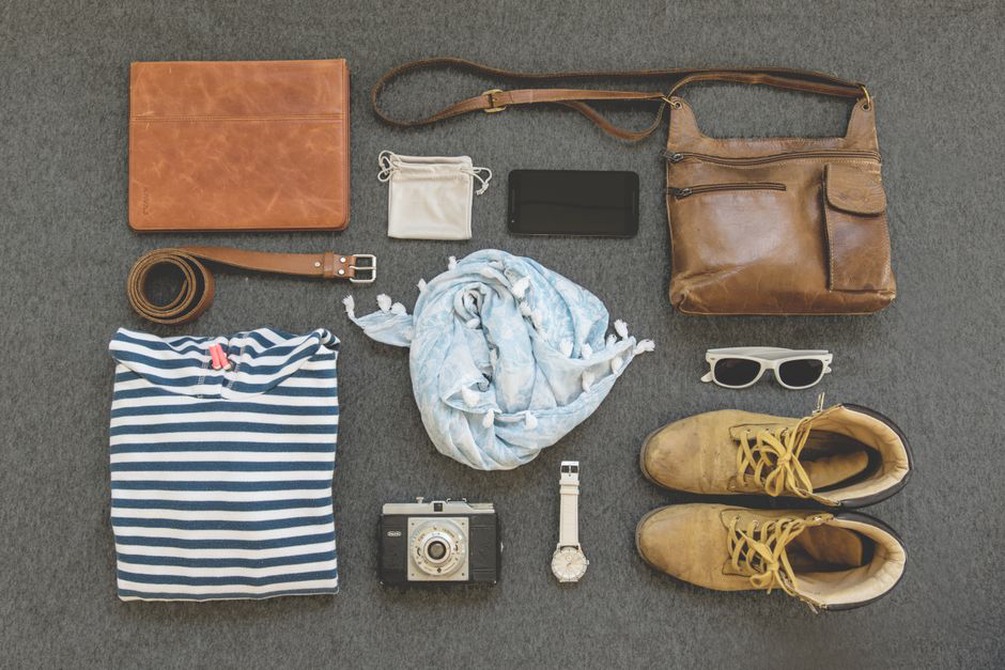
Three outfits for a two-night trip can turn into six when you pack for every possible change of plan. Start with what’s actually on the calendar: the trip there, one full day, and the trip home. Note any activity that calls for different shoes or clothes, then pack around that short list.
Make the itinerary before the packing list
Where you stay and what you do matter more than the length of the trip. Check the forecast for the hours you’ll be outside, not just the daily high. Look at your accommodation details too: are towels and a hair dryer provided? Is there laundry access? Think about the route from the station or car to your room, especially if it involves stairs or uneven streets.
You don’t need an hour-by-hour schedule. A few notes for each day will do:
- Travel day: how you’re getting there, what you’ll wear in transit, and whether you have plans before check-in.
- Full day: your main activity, time spent outdoors, and any evening plans that call for a change.
- Return day: checkout time, plans before departure, and how long you’ll carry your bag.
Mark what each activity truly requires. A restaurant with a dress code might call for a particular outfit; a vague possibility of eating out probably doesn’t warrant another pair of dress shoes. If the weather is uncertain, choose clothes that work at several temperatures instead of packing two separate wardrobes.
Sort your list into must bring and might use. Medication, identification, prescribed glasses, and tickets go in the first group. A second novel and several backup outfits go in the second. Check the must-bring list carefully; question the rest.
Choose the bag before you choose the clothes
A smaller bag sets a useful limit, as long as it suits the trip. A soft weekend bag, modest backpack, or small suitcase can all work. How far will you carry it? Do you need your hands free? Are there size limits on your transport? Check the provider’s current baggage rules rather than assuming a bag accepted on an earlier trip will be allowed this time.
Try the empty bag before you fill it. If the straps dig into your shoulders or the wheels struggle on the surfaces you’ll cross, tidy packing won’t fix that. Leave some room for a damp layer, a snack picked up on the way, or something you forgot to put away on the first morning. A bag zipped shut with effort at home will be no fun to repack in a small room.
Build a small clothing plan, not a stack of options
Begin with your travel outfit. Wear your most versatile shoes, a comfortable bottom, and a layer you can take off; none of them needs space in the bag. Pack clothes that work with those pieces. For many ordinary two-night trips, a useful starting point is one spare bottom if needed, two additional tops, underwear and socks for each day, sleepwear, and an outer layer that suits the weather. Change that list for exercise, messy activities, formal plans, or limited access to dry clothes.
Keeping to a shared color range makes a small selection easier to mix. There’s no need for a perfectly coordinated wardrobe; two bottoms that work with the same tops will do. Choose clothes you already know are comfortable all day. A new pair of shoes, or something you have to keep adjusting, isn’t a good packing experiment.
Give every extra garment a job. Is it a replacement for something likely to get wet? Is it needed for a booked event? Can you wear it more than once comfortably? If its only purpose is to offer another option, put it back. Rewearing trousers or an outer layer is one thing; cutting back on socks and underwear is another.
Handle unpredictable weather with layers
A thin extra layer and suitable outerwear are usually more useful than several bulky outfits. A light sweater under a rain jacket, for instance, covers cool, wet, and cool-and-wet conditions. How long you’ll be outside matters too: a short walk between indoor stops is different from hours on an exposed trail.
If you’re hiking, make a separate check for that outing instead of relying on a city-weekend list. The guide to packing for a day hike when the weather may change goes into more detail. Keep the safety items the outing requires, even if the bag ends up less minimal.
Keep toiletries and small essentials proportional
Toiletries add up because each one seems too small to matter. Lay out what you use on a normal morning and evening, then cross off anything your accommodation supplies that you’re happy to use. Where appropriate, take only what you need for two nights in secure, clearly identified containers. If you’re flying, check the current liquid and cabin-baggage rules for your route before choosing them.
Keep medication in appropriate packaging and bring enough for the trip, with a reasonable allowance for foreseeable delays where suitable. Follow any storage requirements and travel rules that apply. Daily medication, glasses, contact-lens supplies, and other hard-to-replace items should be easy to reach, not buried under your clothes.
Give the small essentials a home so you aren’t searching every pocket at the last minute. Put your identification, wallet, keys, phone, charging cable, and booking details in assigned places. Save important travel information for offline access if reception may be poor. A small reusable bag for laundry or shoes is often more useful than several specialized organizers.
Give electronics a specific purpose
Your phone and charger may already cover communication, directions, bookings, and casual photos. Bring a separate camera, tablet, laptop, or power bank only if your plans call for it. If you’re thinking of working, decide when and where that will happen. No realistic work session? The laptop can stay home, along with its weight and the worry of keeping track of it.
Make room for a paper-crafting idea without packing the craft room
A weekend away can leave a card maker or scrapbooker with color combinations to try, ticket stubs to keep, or small details to sketch. You don’t need a full kit to collect them. Pick one way to capture ideas: a pocket notebook and pen, or notes and photos on your phone. A folded envelope or slim pouch will keep flat paper keepsakes together.
If you expect time to make something, choose one contained project rather than packing for several possibilities. A few precut card layers, a small selection of embellishments, and the adhesive you need may be enough for a simple card, provided you’ll have a suitable work surface and the materials are allowed in transit. Check restrictions before packing scissors, blades, or other sharp tools. Protect ink pads and liquids against leaks, and keep anything that could mark clothing in its own pouch.
There’s a difference between making and gathering inspiration. On a busy weekend, the second may fit better: photograph a palette, note where you saw it, and leave the cutting and layering for home. If finding time for those later sessions is the tricky part, the post on making time for cardmaking and scrapbooking tackles that separately.

Pack in two passes
A day or two before departure, lay everything out by category instead of putting it straight into the bag. Three similar tops are easier to spot when they’re side by side. Work through this order:
- Non-negotiables: identification, travel information, medication, accessibility items, and activity-specific essentials.
- Clothing: outfits matched to your rough itinerary, including what you’ll wear in transit.
- Daily care: toiletries and necessary personal supplies.
- Useful extras: one or two items tied to a specific plan, such as a compact craft pouch.
Pack the bag, then carry it around your home for a moment. Try the pocket you plan to use for your phone or ticket. Can you close the bag without straining the zipper and carry it comfortably? If it’s too full, remove useful extras first, then revisit spare clothing. Don’t leave behind essential medical, weather, or activity equipment just to hit an arbitrary packing target.
Do the second pass shortly before leaving. Check the updated forecast and any changed plans. Use a short departure list for things you still need at home, such as your toothbrush or phone charger, rather than packing and unpacking them early. Put your keys, wallet, and identification in their travel-day spots.
Plan for the way home
A weekend bag can be harder to close on Sunday. Clean clothes are now worn, receipts have appeared, and nothing folds quite as neatly. Keep a pouch or bag for laundry and return things to roughly the space they occupied. Separate wet clothing from dry items, then unpack it promptly at home instead of leaving it sealed in the bag.
Before checkout, take five minutes to check the bathroom shelf, bedside outlet, wardrobe, and under the bed. Check your craft envelope too if you collected paper keepsakes. Once home, put travel documents away, charge what needs charging, and note anything you carried but didn’t use. That’s useful information for next time, though a different trip may still call for it.
Keep a five-item door check on your phone or a small card: identification, wallet, keys, medication, phone. Read it before you leave, then pick up the bag you already tested—no last-minute extra outfit needed.


