
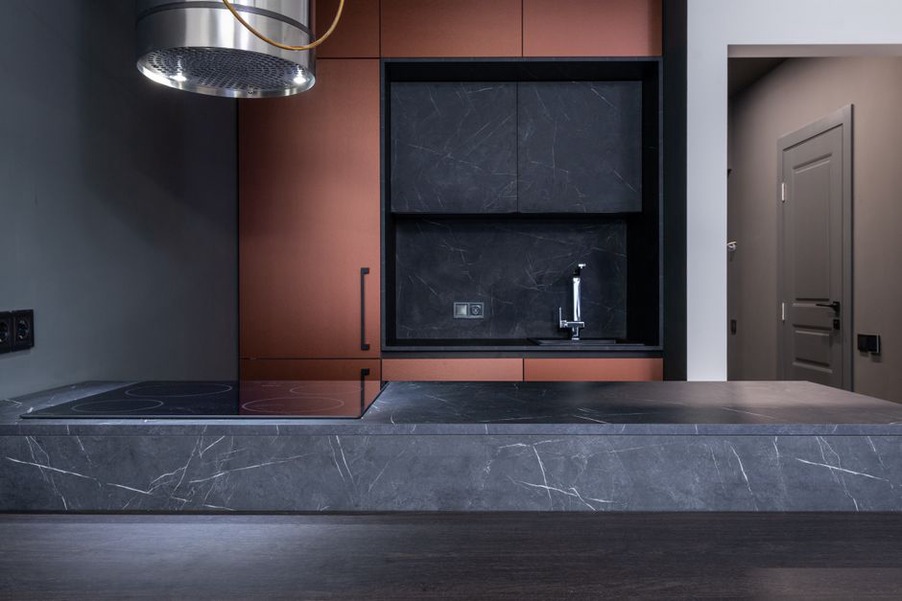
Before you carry in the first box, photograph any existing marks, test the locks and find the water shutoff. A missing shelf or dripping tap is easier to report before your belongings fill the room. Keep the photos with your move-in notes, and send the condition report by the deadline in your lease.
Your first apartment needs to be safe and usable before it feels finished. Confirm the paperwork, get ready for the first night, then let a week of living there show you what else you need.
Before move-in day: confirm the essentials
Read the lease and record what you’re paying
Check the start date, rent due date, accepted payment methods and rules about guests, pets, wall fixings or alterations. Note which utilities are included and who must arrange the others. If you share the apartment, agree in writing on how you’ll split rent, bills and shared purchases. Keep the signed lease and receipts for payments, including the security deposit.
List the costs that come with moving in, not just the rent. Deposits, utility setup, transport, basic supplies and delivery charges can all arrive close together. Treat budget figures and spending categories as general planning guides, not individualized financial advice. If money is tight, put access, safety, a place to sleep and the ability to wash and make simple food ahead of décor.
Set up access and services
- Keys and entry: Confirm how many keys, fobs or access codes you’ll receive and how to reach building management if one fails.
- Utilities: Confirm start dates for electricity, gas if applicable, water and internet. Ask whether you need to submit meter readings.
- Address: Update important accounts, deliveries and official correspondence. Find out how the building handles mail and packages.
- Moving arrangements: Check parking, elevator reservations, loading hours and rules for protecting hallways.
If renters insurance is relevant where you live, compare what a policy covers and excludes before deciding whether to buy it. Your landlord’s building insurance may not cover your belongings.
On arrival: document, test and clean
Walk through each room with the move-in condition form, if you have one. Photograph scratches, stains, damaged fixtures and appliance interiors in good light. Test windows, faucets, drains, outlets and supplied appliances, but don’t attempt repairs yourself. Check that smoke and carbon monoxide alarms are present where required and working according to their instructions. Report missing or faulty safety equipment promptly.
Locate the circuit breaker panel and water shutoff. Find out whom to contact for routine maintenance and urgent problems. If you smell gas, leave the area and follow your local gas provider’s emergency instructions rather than investigating. For electrical faults, leaks or signs of pests, document what you notice and contact the responsible person through the process in your lease.
Clean the surfaces you’ll use first: bathroom fixtures, kitchen counters, refrigerator shelves and cabinet interiors. Pack a clearly marked arrival bag with toilet paper, hand soap, a towel, trash bags, a cleaner suitable for the surfaces, cloths, a phone charger, medications and drinking water. You won’t have to dig through boxes for them.
Buy for the first week, not an imaginary finished home
Measure before ordering large items. Record door and hallway widths as well as the space for a bed, table or sofa. Check whether the apartment already has blinds, shower fittings, light bulbs or a microwave; what’s included varies. A quick inventory helps you avoid duplicates and spot the gaps that matter now.
Sleep and bathroom basics
- Sleep: A mattress or another suitable sleeping setup, bedding, pillows and a lamp you can reach from bed.
- Bathroom: Toilet paper, towels, hand soap, a shower curtain and hooks if needed, plus a plunger and toilet brush.
- Privacy: Window coverings where needed, installed in a way your lease permits.
Check the size and type of shower rod and liner before shopping. If you plan to mount furniture or shelves, follow the manufacturer’s instructions and your lease rules. Tall, unstable furniture may need appropriate anchoring.
Kitchen and cleaning basics
Start with enough to make a few meals you’ll cook more than once: one pot, one pan if the stove allows it, a cutting board, a knife, a can opener if you use canned food, dishes, utensils and food-storage containers. Add dish soap, a sponge or brush, and a way to dry dishes. Check which cookware works with the cooktop. Specialty tools can wait until you know what you cook there.
For cleaning, get trash and recycling bins, bags, laundry supplies, a broom or vacuum suited to your floors, and a bathroom cleaner appropriate for the fixtures. Store products according to their labels and don’t mix them. Put a small bin in the bathroom on day one; it’s easy to forget until you need it.
Keep a first-aid kit, flashlight and spare batteries somewhere you can find them. Check what fire-safety equipment is supplied and what the building expects residents to provide. Even while you’re unpacking, keep exits clear.
Unpack by function
Trying to furnish every room at once leaves you with piles and nowhere to do ordinary tasks. Set up a sleeping area first, then the bathroom, then enough of the kitchen for breakfast or a simple dinner. Break down empty boxes as you go, and keep packing materials away from doors, vents and heaters.
- Day one: Make the bed, stock the bathroom and charge your phone. Give your keys one consistent spot.
- First few days: Unpack everyday clothes, kitchen basics and cleaning supplies. Find out where laundry and waste go.
- After a week: See where clutter gathers before buying organizers. Measure shelves and drawers before choosing containers.
Give incoming mail a tray or folder instead of letting it collect on the kitchen counter. Keep appliance manuals, lease paperwork and maintenance messages together, either in a physical folder or a clearly named digital one. Save receipts for major purchases in case you need to check a warranty or return something that doesn’t fit.

Make room for daily life and paper projects
If you make cards or scrapbook pages, you don’t need a full craft room on move-in day. Look for a surface that fits a cutting mat with room beside it for an open card or album page. A lidded box can hold your go-to scissors, adhesive, stamps and ink pads while you work out how the room functions. Store paper flat and dry, away from kitchen splashes, direct sunlight and damp exterior walls.
Keep supplies for your current project separate from the rest so you can clear a shared dining table when it’s time to eat. Before adding a desk, check whether you can move around it with the chair pulled out and whether there’s a convenient outlet. If you’d rather set aside a smaller, quieter spot elsewhere, the guide to setting up a reading corner you’ll actually use has ideas for choosing space around your habits.
Finish with a short apartment reference list
Put building contacts, maintenance instructions, utility account details, trash collection rules and shutoff locations in one note. Add deadlines for the move-in report and rent payment, along with service appointments. Share it with a roommate if needed, but keep passwords and other sensitive information somewhere secure rather than on a sheet in the kitchen.
Leave one shelf or drawer empty as you unpack. After two weeks, you’ll have a better idea of what belongs there: reusable shopping bags that keep landing by the door, perhaps, or a shallow tray for card-making offcuts beside your work surface.


