
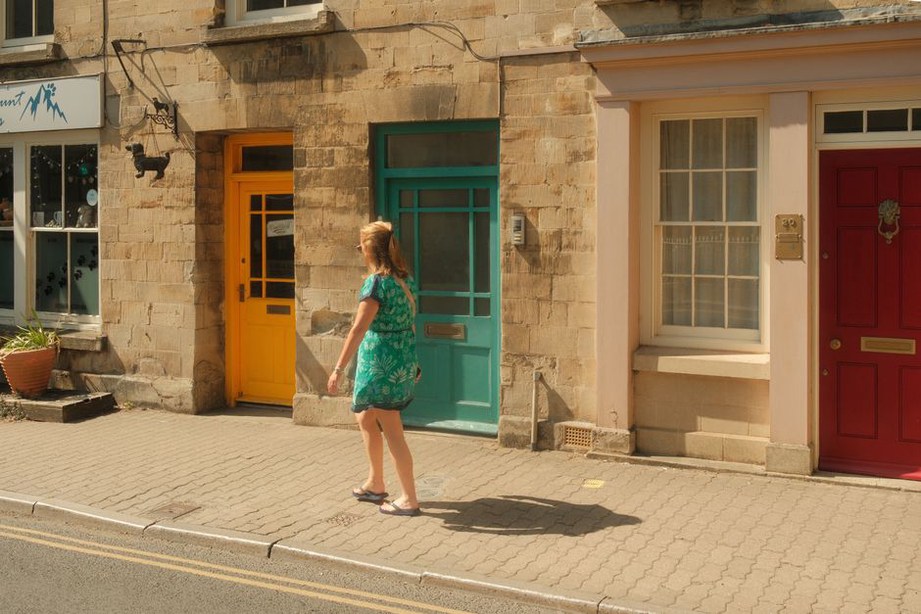
Keep your walking shoes beside the door when you sit down to make a card. The next time you're waiting for ink to dry or deciding where a layer should go, you can step outside for five minutes instead of staying at your desk. You don't need a destination or a step-count goal for the break to be worthwhile.
A walk is easier to repeat when it fits into something you already do. You might head out before a fiddly cutting task, between layers of a scrapbook page, or after you put your supplies away. It gives your hands and eyes a change of task. Leave yourself a clear next step, and it's easier to pick up the project when you return.
Attach a walk to a familiar part of the day
Forget finding a spare half hour. Look for a transition that happens most days, preferably one that doesn't depend on finishing everything else first.
- Before a craft session: Walk around the block, then sit down to one task, such as choosing paper colors.
- After lunch: Take a short, comfortable route before returning to work or household tasks.
- Before an errand: If the route is suitable, walk to a nearby destination or park a little farther away where parking is permitted.
- After tidying up: Put away the scissors and adhesive, then take a lap outside before moving on.
Pick a length you could manage on an ordinary busy day. Five minutes is a fine place to start; go longer when time, energy, and conditions allow. If your planned walk keeps falling through, try a different time of day before blaming your motivation.
Make the first steps convenient
When you're only going out briefly, hunting for your keys can be enough to put you off. Keep suitable shoes handy and know where your keys are. After dark, choose a well-lit route and wear something that helps others see you. Carry water when heat or distance calls for it, and dress for cold or wet weather rather than hoping enthusiasm will keep you comfortable.
Choose two routes ahead of time: a short loop near home and a longer one for days with more room in the schedule. Check the sidewalks, crossings, lighting, and places to rest. Those details matter more than how appealing the route looks on a map.
Give yourself a five-minute option
On a day full of interruptions, you could walk to the end of the street and back while a stamped greeting dries. Or take one loop around your building after a long stretch of arranging photos. Set a timer if you need to return to a task, but leave enough time to cross streets without rushing.
Before heading out, leave the pieces of a layered card neatly on the table. Otherwise, your break might end with a search for the tiny sentiment you just cut. A sticky note saying “attach blue panel” can help you get straight back to it.
Use errands and waiting time without adding pressure
A walk doesn't always need its own slot in the day. A nearby mailbox or library return slot might give you a destination. Check the distance, the route, and what you'll need to carry before you set off. That large pack of cardstock may be less appealing to bring home on foot in the rain.
If you arrive early for an appointment and the area is safe and familiar, you could take a short loop instead of waiting in the car. Give yourself plenty of time to get back; being late would make the next walk harder to welcome.
Heading to a craft shop? You could walk around the neighborhood first, then browse the aisles. The time might help you settle on the materials you need, but a walk doesn't have to be productive.
Let creative noticing be optional
Sometimes a walk hands you a color combination without your looking for one: pale green against brick, fallen leaves on dark pavement, or a row of repeating window shapes. Later, you might borrow the palette for a stamped background or the spacing for a scrapbook page. Other days, you can just walk.

If you want to remember an idea, take a quick photo where it's safe to stop or jot down a few words at home. There's no need to collect something on every outing. Leave plants, flowers, and other materials where collecting isn't permitted; noticing a shape or color is enough.
Adjust the walk to the day you have
Today's walk may be shorter or slower than yesterday's. If weather, mobility, or safety makes your usual route unsuitable, use an accessible indoor space if one is available. A hallway or shared building can be more practical than icy pavement. If you use a mobility aid, look for suitable surfaces and enough room to turn comfortably.
Pay attention to how you feel. If walking brings on chest pain, dizziness, or unusual shortness of breath, stop and seek appropriate medical advice. If you're managing a health condition or recovering from an injury, ask a qualified clinician what level of activity is right for you. A daily streak isn't a reason to push through pain.
Company can help on some days: a neighbor, friend, or family member may make a familiar route more enjoyable. On others, walking alone offers a quiet pause between household tasks and your craft project. Choose whichever makes it easier to head out.
Keep track lightly, if it helps
A mark on a calendar can show which times actually work. Note when you walked and roughly how long you were out; skip the detailed log and the pressure to keep a perfect streak. After a week or two, look at the pattern. If lunchtime worked twice and early morning never did, move your shoes and your plan to lunchtime.
Before your next craft session, leave a note beside your materials: “Walk to the corner and back before cutting the card bases.” Set out your shoes, too. When it's time, you won't have to decide where to go or what to do first.


