
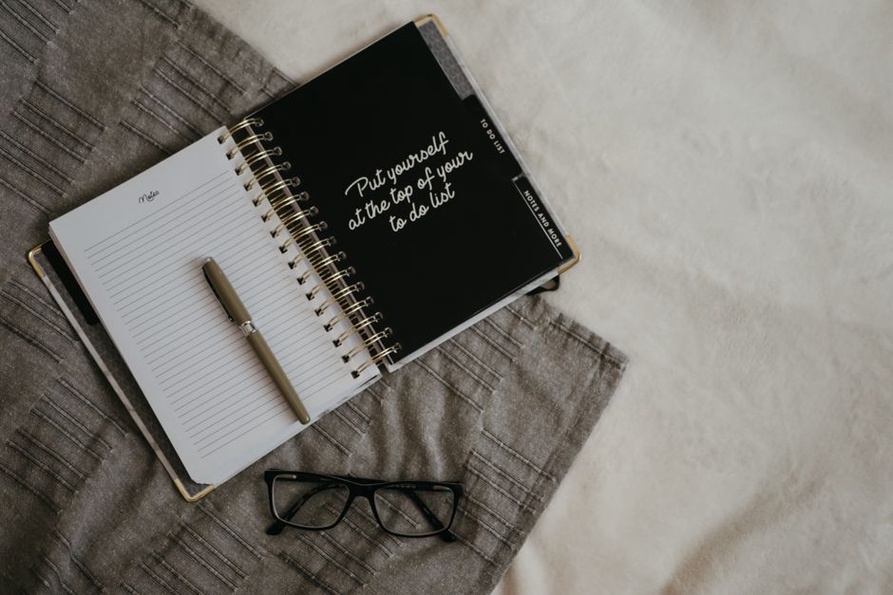
When “maybe someday” books sit beside the one you want to start tonight, a reading list stops helping you choose. Give those decisions separate places: keep a short next-up list and let other recommendations wait. You can save an interesting title without committing to read it soon.
Decide what the list is for
Before adding titles, decide what you want the list to help you find. You might want bedtime reading, a book that teaches a card-making technique, color ideas for scrapbook pages, or an audiobook for household tasks. If you have more than one purpose, label each plainly. A paper-cutting guide can belong on a craft reference list without competing with your evening novel.
Think about how you use each book. A visual guide to layered compositions needs good light and room to spread out; an audiobook can come along on a walk. If reading time is limited, make the list fit those real moments rather than an imaginary free afternoon.
Give recommendations two places to land
Use a notebook page, a phone note, or a small card tucked into your current book—whatever you already check. When someone recommends a title, record enough to find it again and add a brief reason: “clear diagrams of stamped backgrounds” or “friend liked the short chapters.” That note may be more useful later than a long description.
Then sort titles by what you might actually read soon:
- Maybe later: An open-ended place for recommendations, library finds, and books that appeal to you but don't fit right now.
- Next up: Three to five books you could obtain and start without another search.
- Currently reading: Books genuinely in progress, even if you're using two for different purposes.
The next-up limit isn't a reading target. If that section is full, decide whether a new title replaces one already there or goes into maybe later. You don't have to rank every book you've heard of.
Make each entry easy to act on
For each next-up book, add the format you want and how you'll get it: “library print copy,” “ebook already borrowed,” or “on my shelf.” If availability changes, edit that line; you don't need a detailed tracking system. As a general budgeting guide, rather than personal financial advice, checking what you own or can borrow may help you avoid buying a book just because it made the list.
With craft books, note what you want to look at instead of assigning yourself every page. “Compare three ways to mask a stamped image” gives a technique book a job. “Look at how neutral paper frames bright cutouts” makes an inspiration book easy to revisit when you're making a card. A chapter or a few pages may be all you need.
Choose for the time you have
Give yourself options for different kinds of days. You might keep an absorbing book, one that works in short sessions, and a reference you can dip into at your craft table. Those aren't fixed slots. If you mostly read on a commute, portability may matter more than chapter length; at home, a large illustrated book might be just right.
Write down a starting point, too. “Finish chapter two” makes sense for a book you've begun; for a new one, try “read the introduction and first chapter.” A few pages can tell you whether the writing, level of detail, and format suit you. Someone else's enthusiastic recommendation doesn't mean a book has to stay on next up.
If your usual reading spot keeps getting taken over by other things, a [reading corner set up for regular use](/set-up-comfortable-home-reading-corner/) can make it easier to pick up a book. For visual craft books, leave enough clear surface to open one flat without shifting an entire project.
Review the list when a decision comes up
You don't need a calendar reminder. Look over the list when you finish a book, return a library loan, or catch yourself scrolling through recommendations without choosing one. Start with next up: does each title still appeal to you, can you get it, and do you have a realistic time to read it? Move a poor fit back to maybe later or remove it. The list is there to help you choose, not preserve every good intention.
Give maybe later a quick look now and then. Cross off duplicates and titles you can no longer identify. Interests change: you may have moved on from intricate cutting to simpler stamped designs. The note about why a book caught your eye can help you decide what stays.

What to do when the list stalls
If nothing on next up appeals, pause before adding more titles. A demanding book may not suit ten tired minutes, while a technique guide may only be useful when your supplies are out. Move those books to a better category and choose something that fits the time you have. If every option requires a library trip or a purchase, add a book you can open now.
When a book has sat unfinished for weeks, decide what you still want from it. You could continue slowly, skip to the relevant section, or set it aside. Mark it “paused” instead of “currently reading” so it doesn't crowd your active list. For a scrapbook reference, a note such as “use the page-layout examples when sorting holiday photos” keeps the useful idea until you're ready for that project.
Try writing down the three books already within reach: perhaps a novel on your nightstand, a borrowed book of card designs, and an audiobook queued for errands. Add a starting point beside each. The next time you have fifteen minutes at your craft table, you can open the card book to its layered-background section instead of looking for another recommendation.


